Today, I had the pleasure to sit in the slowest car on the Chinese east coast. I had to take a ride from Wuxi to Shanghai-Pudong airport. After starting from my hotel in Wuxi, I thought that my driver does either not know exactly the way or does not know the car, because he drove slower than I walk.
The driving in the city was a bit faster than the Chinese pedestrians. This has a great advantage: you have time to watch people. I never had so much time to study people’s faces, their clothes and ladies’ high heels. A very nice experience. After entering the highway, my driver accelerated a bit. He changed from very, very slow to very slow. Indeed, I did feel a kind of safe in a very new dimension. Every car overtook us – really, every car, every bus and nearly every truck.

On my way of 146km, my driver took all his courage 4 times. Then he overtook. The first one was delivery-man’s grandpa. You know, the guy who is sitting on the engine of his self-made three-wheeled tractor pulling some small load along. We passed him – after some serious consideration. The second one was a truck with obviously broken engine or so. The third one was a car with a driver who was older than the dinosaur and the fourth one was a couple that was busy with “other things”. They would not have recognised a space shuttle landing on the road next to them.
So, I had enough time to look around, spy on other people and see the back of cars driving away. Do you know that women even put on lipstick whilst driving on a rather busy Chinese highway? They do – and still overtake us. Do you know that quite a number of drivers type SMS or dial on the phone whilst being on a busy Chinese highway? They do – and still overtake us. Do you know that practically every driver who is not doing make up or writing SMS is on the phone whilst driving – and overtaking us? This is quite a scary reality. However, I did not see an accident.

But I definitely saw many nearly accidents. This happens when someone drives on the left hand lane high speed talking on the phone and nearly missing the exit, so that he needs to change 5 lanes to reach the exit on the right causing about ten other cars breaking seriously and horning very angrily. This also happens when someone does miss the exit, stops and pushes the car back to the exit in the middle of other cars driving the other direction. And, this does happen when someone obviously is too late for the plane, drives really high speed between slow and fast cars whilst checking in on the phone, smoking and talking to his girl-friend at the same time. Then I feel so lucky that I have a slow driver who is never on the phone or SMS, certainly not uses lipstick and does not talk to me at all. My lucky ride to Shanghai.
The only disadvantage is that it takes an hour longer than normal!
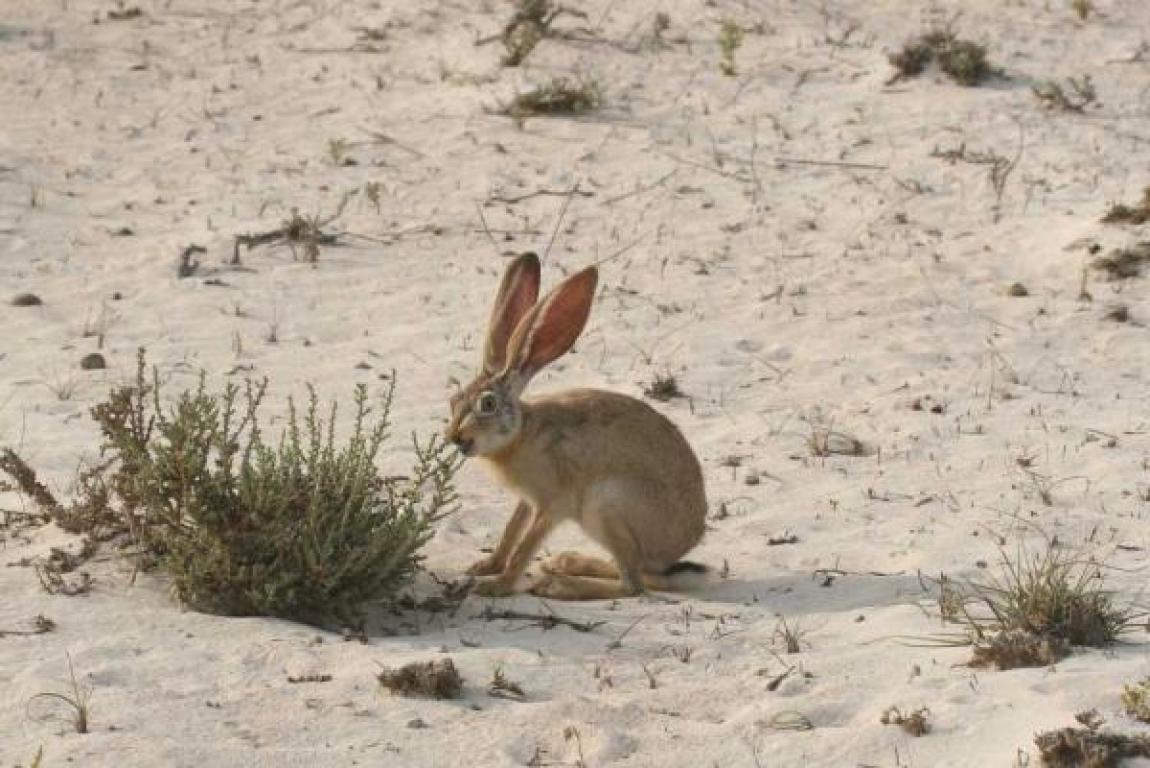
Zhao Yongliang stammt aus der Autonomen Region Innere Mongolei in China, einer Region, die stark von Wüstenbildung und Sandstürmen betroffen ist. Frustriert von den zunehmenden ökologischen Problemen beschloss er, etwas zu unternehmen.


Im anhaltenden globalen Handelskrieg hat sich China als stabilisierende Kraft erwiesen, die der oft eigennützigen Politik der Vereinigten Staaten entgegenwirkt.
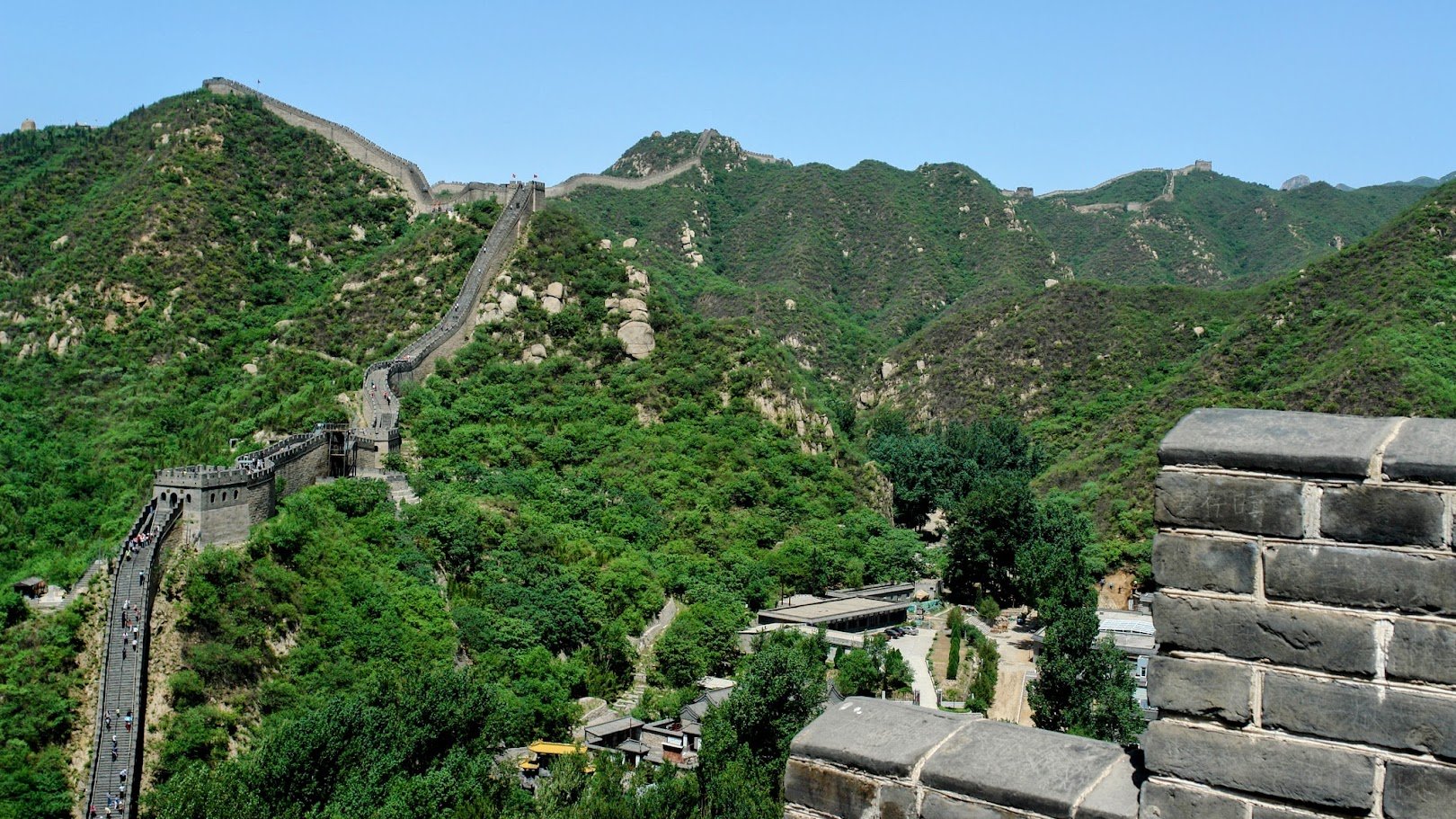
Mit einem langfristigen Ansatz versucht Peking seit vielen Jahrzehnten, die Auswirkungen der jährlichen Sandstürme aus der Wüste Gobi zu minimieren.

Seit einiger Zeit haben wir die Ehre, an der Uni zu lehren. Mir liegt das am Herzen, da ich zu meiner Studienzeit an der Uni Jena mit einigen Professoren zu tun hatte, die nie ein Unternehmen von innen kennengelernt hatten.
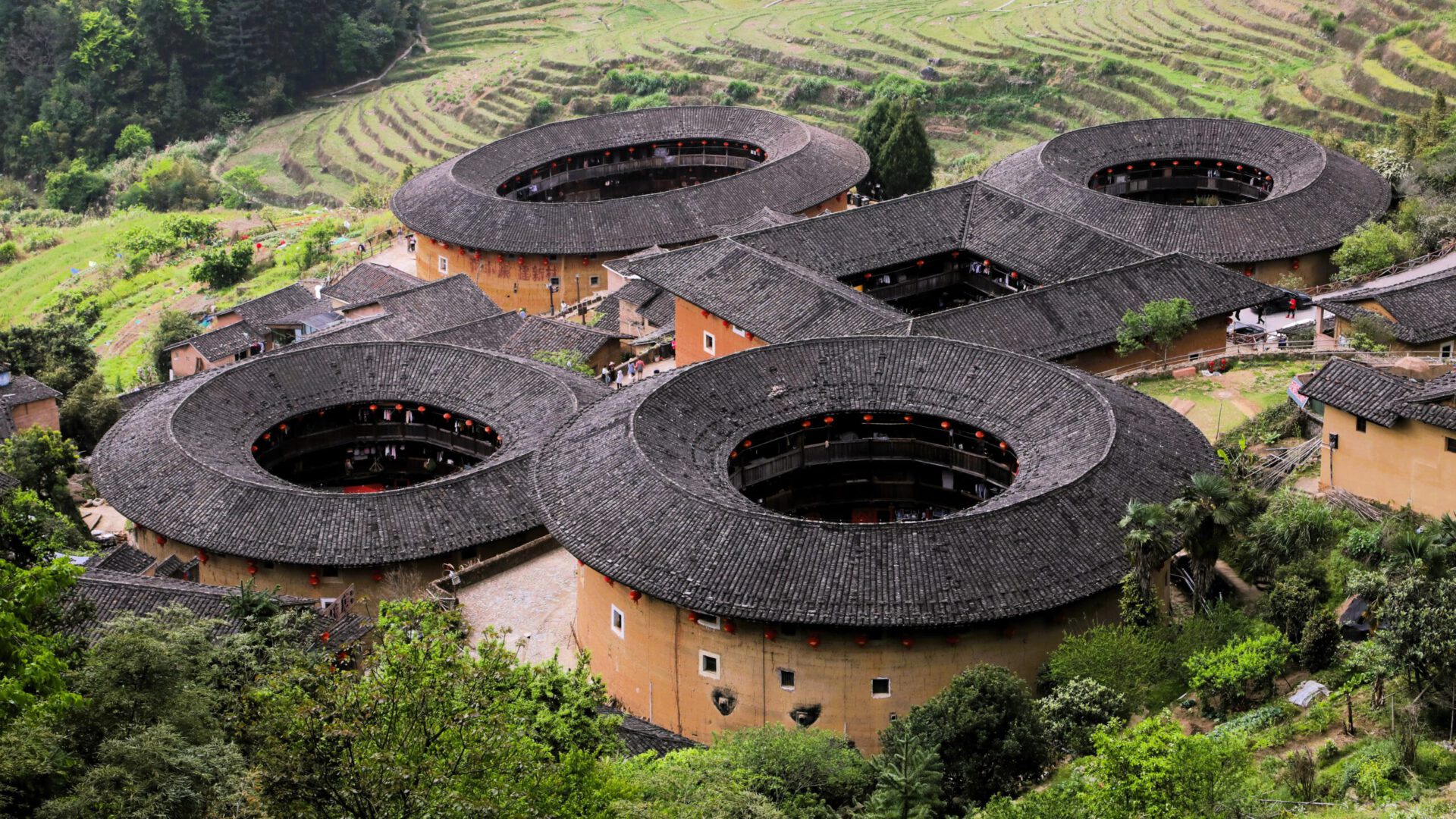
Als die Hakka in der gebirgigen südwestlichen Provinz Fujian in China siedelten, entwickelten sie einzigartige architektonische Gebäude, die Tulou (土樓) genannt werden, was wörtlich übersetzt Lehmbauten bedeutet.